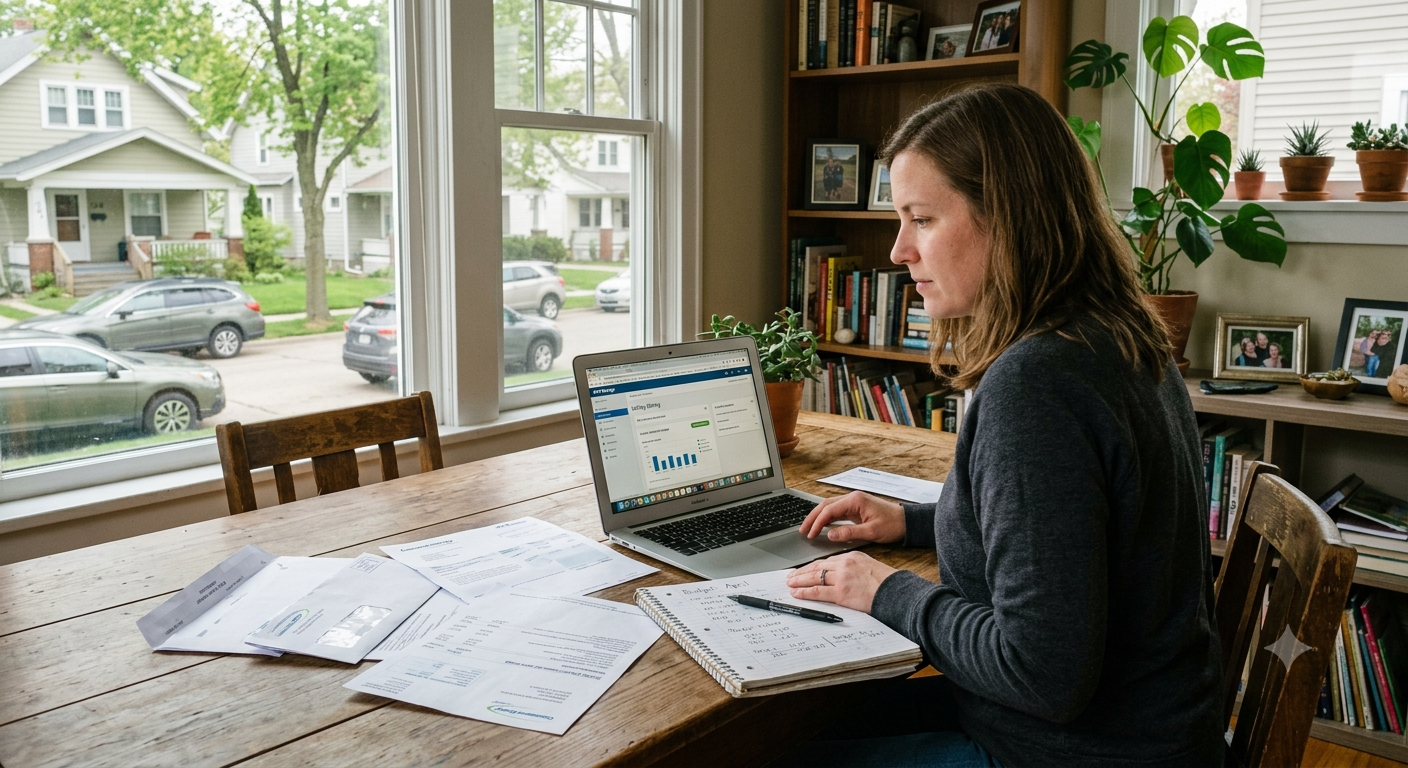
Everyday life across the United States in 2026 is defined by a delicate balance between economic adaptation and technological acceleration. While macroeconomic indicators show steady productivity and low overall unemployment, household bank accounts tell a more complex story. The residual effects of multi-year price increases, elevated interest rates, and structural shifts in key industries have forced American families to rethink how they spend, work, and plan for the future.
Navigating these dynamics requires adjusting to structural changes in housing, healthcare, employment, and technology. Everyday decisions—from buying groceries and securing a mortgage to selecting a career path or choosing a health insurance plan—are increasingly influenced by underlying systemic shifts. Understanding the biggest issues shaping everyday life in America in 2026 helps illuminate how broader societal trends hit home for ordinary households, small business owners, and local communities.
The Cost of Living Remains a Major Concern
For millions of households, the cost of living in America 2026 remains the primary filter through which all other daily choices are made. While the double-digit inflation spikes of prior years have leveled off, the cumulative price increases established over the last half-decade remain baked into consumer goods, insurance premiums, utilities, and grocery bills.
       [Cumulative Price Increases]
                   +
       [Elevated Borrowing Rates]
                   ↓
  ┌─────────────────────────────────┐
  │ Real Household Budget Pressures │
  └─────────────────────────────────┘
                   ↓
 ┌──────────────────┬──────────────────┐
 │                  │                  │
▼                  ▼                  ▼
Discretionary     Credit Card       Emergency
 Spending Drops    Debt Rises       Savings Shrink
The Federal Reserve’s monetary stance and trade dynamics—including ongoing adjustments to global supply chains and tariffs—have kept price levels sticky in essential categories. Key financial realities shaping inflation and household budgets include:
-
Essential Goods vs. Discretionary Spending: Families continue to reallocate budgets toward non-negotiables such as food, electricity, and vehicle maintenance, pulling back on dining out, travel, and non-essential consumer electronics.
-
Credit Dependence: To bridge the gap between softening wage growth and non-negotiable living costs, credit card balances and high-interest consumer debt have grown, leaving middle-class and lower-income families with narrower financial cushions.
-
Regional Price Disparities: Cost-of-living adjustments vary wildly by geographic region. While Sunbelt metro areas continue to absorb population inflows, localized demand keeps service and housing costs high, whereas rust-belt and rural communities face distinct supply chain and utility inflation pressures.
Housing Affordability Is Still Reshaping American Life
The American housing market in 2026 remains locked in a persistent structural bottleneck. Elevated mortgage interest rates, combined with historical inventory shortages, have created a dual crisis: existing homeowners are reluctant to trade locked-in low mortgage rates for higher market rates, while prospective buyers face historic affordability barriers.
+-----------------------------------------------------------------------+
|                       THE 2026 HOUSING LOCK-IN                        |
+-----------------------------------------------------------------------+
| Existing Owners (Low Rates)   ──>  Reluctant to Sell (Inventory Freeze) |
| Prospective Homebuyers        ──>  Priced Out by High Rates & Values   |
| Renters                       ──>  High Monthly Rent Absorbs Savings  |
+-----------------------------------------------------------------------+
This structural lock-in affects every generational layer:
-
First-Time Buyers & Young Families: Gen Z and Millennials are delaying homeownership longer than previous generations, resulting in lower equity accumulation during prime wealth-building years.
-
Rental Market Pressures: As homeownership remains out of reach for many, demand for rental housing remains elevated. Though multi-family apartment completions have added supply in major metropolitan areas, median rents remain high relative to average entry-level wages.
-
Generational Migration: High housing costs in superstar cities continue to drive inter-state migration toward secondary and tertiary midwestern and southern markets, altering local demographics, strain on municipal infrastructure, and real estate values in receiving communities.
Healthcare Costs Continue to Affect Household Decisions
Health-related expenses represent one of the most volatile budget categories for American families and employers alike. The financial footprint of healthcare in 2026 spans rising monthly insurance premiums, high out-of-pocket deductibles, and complex prescription drug pricing structure shifts.
| Expense Category | Primary Driver in 2026 | Impact on Households |
| Employer Insurance Premiums | Rising medical service operational costs and labor expenses | Employers shift higher cost-sharing onto employees via higher deductibles. |
| Prescription Medication | High demand for advanced therapies and specialized pharmaceuticals | Families navigate complex formulary restrictions and elevated copays. |
| Out-of-Pocket Care | High-deductible health plan (HDHP) prevalence | Consumers delay non-urgent care or preventive visits due to immediate cost. |
Beyond direct financial costs, regional disparities in access to care have widened. Rural hospitals and primary care practices continue to face severe operational and staffing shortages, forcing patients in non-metropolitan areas to travel longer distances for specialized care. Conversely, the rapid maturation of telehealth services has provided a partial buffer, giving patients broader access to routine consultations and mental healthcare providers.
Jobs, Wages, AI, and the Changing American Workplace
The US economy 2026 labor market is best described as a “low-hire, low-fire” equilibrium. While overall unemployment remains historically moderate, net hiring velocity across knowledge work, tech, and corporate sectors has slowed as organizations adjust to structural economic headwinds and technology integration.
┌──────────────────────────────────────────────────────────────────┐
│                  2026 LABOR MARKET EQUILIBRIUM                   │
├────────────────────────────────┬─────────────────────────────────┤
│    KNOWLEDGE & TECH SECTORS    │    PHYSICAL & ESSENTIAL CARE    │
├────────────────────────────────┼─────────────────────────────────┤
│ • Generative AI Integration    │ • Critical Staffing Shortages   │
│ • Slow Entry-Level Hiring      │ • High Demand for Trades        │
│ • "Low-Hire, Low-Fire" Dynamic │ • Upward Pressure on Hourly Pay │
└────────────────────────────────┴─────────────────────────────────┘
The interplay between labor dynamics and AI and jobs is reshaping workforce expectations:
-
Knowledge Work Disruption: Generative artificial intelligence and workflow automation tools have progressed from experimental phases into standard corporate tools. Entry-level software development, marketing, data entry, and basic administrative roles are undergoing structural shifts, requiring job seekers to demonstrate specialized AI management and problem-solving skills.
-
Resilience in Skilled Trades and Services: Conversely, physical work, healthcare, specialized manufacturing, electrical work, and trades continue to experience robust labor demand and wage pressure due to persistent demographic shortages.
-
The Workplace Normal: The hybrid workplace model has stabilized into a permanent fixture for office-based roles. Employers have largely settled on structured mandate models (e.g., 3 days in office), which directly impacts commercial real estate values and suburban commuter traffic patterns.
Education and Student Debt
Higher education is undergoing an intense re-evaluation across American society. As traditional tuition rates continue to climb, families and prospective students are weighing the financial return on investment (ROI) of four-year college degrees against alternative career pathways.
-
Student Loan Repayment Pressures: The resumption and evolving policy landscape surrounding federal student loan repayments continue to strain the monthly cash flows of millions of middle-class borrowers, directly dampening their capacity to save for retirement or purchase homes.
-
Rise of Alternative Credentials: Trade certifications, community college vocational programs, and employer-sponsored apprenticeship programs have seen significant enrollment increases. Young Americans are increasingly prioritizing skill-first pathways that offer direct labor market entry without substantial debt burdens.
-
Higher Education Enrollment Shifts: Mid-tier traditional colleges face mounting financial pressure as demographic trends and shifting consumer preferences alter enrollment pipelines, leading to institutional consolidations and program restructuring nationwide.
Immigration and Its Broader Impact
Immigration remains a central economic, political, and social issue across the United States in 2026. The intersection of immigration policy, labor demand, and municipal resource management influences communities across border regions and interior metropolitan areas alike.
-
Labor Supply and Economic Growth: Economists and business organizations emphasize that foreign-born workers play a pivotal role in offsetting aging domestic demographics, filling critical vacancies in agriculture, construction, hospitality, eldercare, and tech industries.
-
Municipal and Fiscal Infrastructure: Rapid shifts in migratory flows have placed logistical strains on social infrastructure, housing capacity, public school districts, and municipal health budgets in major receiving cities, igniting sharp debate among local and state policymakers.
-
Policy and Enforcement Debates: Federal policy developments, visa reform proposals, and border enforcement strategies remain central topics of public discourse, driving distinct political narratives leading up to major legislative and electoral cycles.
Public Safety and Community Concerns
Public safety perceptions in 2026 continue to reflect a complex gap between aggregate statistical trends and hyper-local lived experiences. While federal and municipal data indicate that overall violent crime rates have trended downward from pandemic-era highs, public perception of safety remains a top community concern.
-
Perceptions vs. Reality: High-visibility property crimes, retail theft, and public order concerns in major metropolitan commercial corridors heavily shape public sentiment, even when broader violent crime statistics show measurable improvement.
-
Community Safety Initiatives: Cities across the nation are experimenting with hybrid public safety models, pairing traditional law enforcement with specialized mental health response teams, street-level intervention workers, and expanded visual monitoring technology.
-
Suburban and Rural Realities: Smaller towns and rural communities continue to grapple with distinct public health and safety challenges, specifically surrounding substance abuse, behavioral healthcare gaps, and emergency response staffing shortages.
Political Polarization and Trust in Institutions
Political polarization remains one of the defining social dynamics in American life, influencing personal relationships, consumer habits, news consumption, and public institutional trust.
+-------------------------------------------------------------------------+
|                  POLARIZATION AT WORK IN DAILY LIFE                     |
+-------------------------------------------------------------------------+
| Civic Institutions  ──> High Skepticism Toward Media, Public Agencies   |
| Consumer Choices    ──> Brand Boycotts & Values-Based Purchasing        |
| Community Spheres   ──> Geographic Sorting & Disparate School Debates   |
+-------------------------------------------------------------------------+
The real-world consequences of political division manifest across daily routines:
-
Institutional Skepticism: Public trust in traditional media outlets, federal regulatory agencies, public school boards, and judicial bodies remains low. Americans increasingly seek information from hyper-niche, ideological, or independent digital networks.
-
Consumer Brand Alignments: Corporate governance, political stances, and marketing campaigns frequently face intense consumer scrutiny. Brand loyalty is increasingly influenced by corporate social alignments, with consumers actively rewarding or boycotting companies based on political values.
-
Workplace Dynamics: Employers are increasingly tasked with navigating delicate social and political debates within office environments, establishing clearer corporate communication standards to maintain workplace productivity and culture.
Technology, AI, Privacy, and Misinformation
As artificial intelligence becomes deeply integrated into daily consumer software, everyday life requires continuous navigation of digital security, information integrity, and individual privacy concerns.
       [Generative AI Integration]
                   │
    ┌──────────────┴──────────────┐
    ▼                             ▼
[Convenience Features]    [New Systemic Risks]
 • Automated Shopping      • Hyper-realistic Deepfakes
 • Personalized Search     • Automated Phishing Attacks
 • Efficient Workflows     • Personal Data Harvests
-
AI in Everyday Tools: From automated customer service and personalized search engines to predictive financial apps, consumers encounter generative AI models daily. While these tools offer undeniable efficiency gains, they also reduce direct human-to-human interaction in routine tasks.
-
Misinformation and Synthetic Media: The proliferation of hyper-realistic audio deepfakes, synthetic images, and automated disinformation networks has made distinguishing real content from generated content a major challenge, particularly during critical news cycles and public health communications.
-
Data Privacy Deficits: With smart home infrastructure, connected vehicles, and biometric authentication expanding, consumers face unprecedented data tracking. Legislative efforts around national consumer privacy standards remain fragmented, leaving individuals responsible for managing their digital footprints.
Climate, Extreme Weather, Energy, and Infrastructure
Environmental volatility and extreme weather events directly impact home values, energy bills, and municipal infrastructure costs across every U.S. region.
-
The Property Insurance Crisis: Repeated extreme weather occurrences—ranging from wildfires in the West to severe storm systems and flooding in the Southeast and Midwest—have caused property insurance premiums to surge. In high-risk states, major insurers have scaled back coverage, leaving homeowners with exorbitant rates or reliance on state-backed insurers of last resort.
-
Energy Grid and Utility Costs: High electricity demands driven by extreme summer and winter temperatures, combined with the energy consumption of expanding data center networks, have driven up residential utility rates nationwide.
-
Infrastructure Modernization: Public investments from federal infrastructure legislation continue to flow into road repairs, bridge reconstructions, clean water projects, and electric vehicle grid upgrades. However, construction timelines and material costs mean many communities experience significant traffic and logistical disruptions before seeing tangible benefits.
What Americans Should Watch for Through the Rest of 2026
As 2026 progresses, several critical inflection points will dictate whether household economic pressures stabilize or intensify:
-
Federal Reserve Rate Policy Shifts: Watch how interest rate adjustments influence mortgage availability, auto loan affordability, and small business credit conditions.
-
Labor Market Adjustments in Knowledge Sectors: Track whether AI adoption leads to net corporate headcount reductions or if new workforce categories emerge fast enough to absorb displaced workers.
-
Regional Insurance Regulatory Responses: Keep an eye on legislative interventions designed to stabilize the collapsing residential property insurance market in high-risk states.
-
Midterm Election Campaign Debates: As legislative elections draw closer, national economic policies—including international trade tariffs, healthcare subsidies, and tax code revisions—will directly dominate national political debate and consumer expectations.
Understanding the biggest issues shaping everyday life in America in 2026 requires recognizing that modern economic, technological, and social challenges do not exist in isolation. A rise in home utility rates connects directly to energy grid infrastructure and climate patterns; job stability in knowledge work relates directly to enterprise AI adoption; and household budget constraints shape everything from family planning to consumer spending patterns.
While the nation continues to demonstrate economic adaptability and technological leadership, the individual experience of these trends varies based on income level, geographic region, and demographic standing. Navigating the rest of 2026 successfully will require American households, workers, and businesses to stay informed, adapt flexibly to new workplace tools, and make deliberate, research-driven choices in an interconnected world.
-

-

-

-